Mindset and Habits That Keep You Feeling Younger

featured 50773

Summary: New research indicates that feeling younger than your chronological age and increasing physical activity can improve cognitive function, health and longevity as people age. Source: American Psychological Association. Could moving more and feeling more in control of your daily life help you stay mentally and physically younger? New findings presented at the American Psychological … Read more


Are You Hiring Liars Without Even Knowing It?

featured 57022

Summary: New research shows that people often perceive those who lie as more competent for certain high-pressure, sales-focused professions—such as investment banking, advertising, and sales—explaining why deceptive individuals may be disproportionately hired into those roles. Source: University of Chicago Booth School of Business We claim to dislike liars, yet in contexts that prioritize aggressive selling, … Read more

True Grit: Staying Resilient and Driven as You Age

featured 83750

Summary: Maintaining a growth mindset and confidence in your ability to improve—even as you age—supports continued skill development and achievement. Source: NTNU Did you ever imagine becoming a professional athlete, a chess master, or a world-class chef when you were younger? As we get older, many of us assume those ambitions are out of reach. … Read more

How Dopamine Signals Help the Brain Unlearn Fear

featured 109270

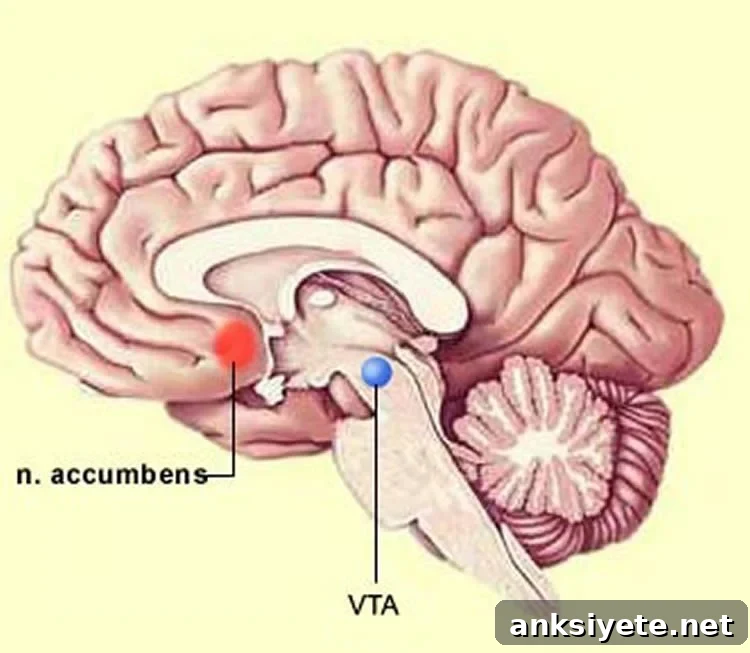
Summary: A new study in mice identifies dopamine release along a specific brain circuit as the signal that helps the brain extinguish fear. Rather than merely suppressing fear, dopamine from the ventral tegmental area (VTA) activates reward-responsive neurons in the basolateral amygdala (BLA) to drive a positive learning process that replaces fear memory. Disruption of … Read more

Genome Sequencing Reveals Structural Links to Schizophrenia

featured 64296

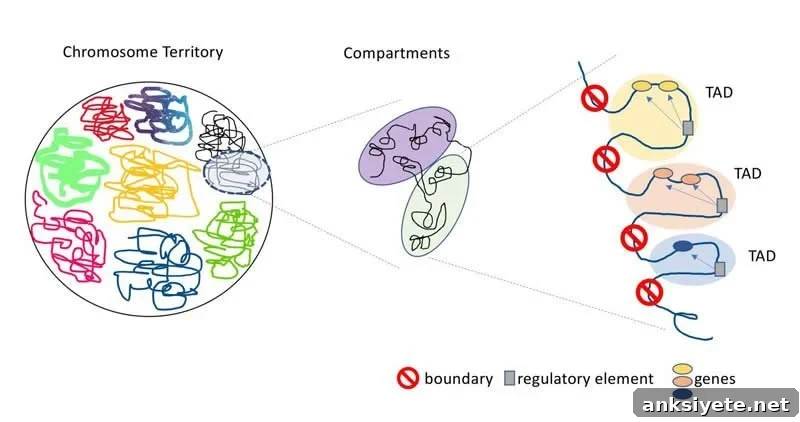
Ultra-Rare Structural Variants at TAD Boundaries Implicated in Schizophrenia Risk Summary: New evidence from the largest whole genome sequencing study to date suggests that very rare structural genetic variants that disrupt the boundaries of topologically associated domains (TADs) may contribute to the development of schizophrenia. Source: UNC Health Care Most genetic research on schizophrenia has … Read more

How Pregnancy Rewires the Parental Brain

featured 87863

Summary: New research into the maternal brain offers fresh insights into how pregnancy and childbirth reshape brain circuits, behavior, and mood, and points to potential directions for diagnosing and treating postpartum depression. Source: SfN Pregnancy and childbirth trigger profound and often long-lasting changes in brain physiology, emotional state, and behavior. Researchers presented new findings on … Read more

5-Year-Olds Navigate Maps with Adult-Like Brain Networks

featured 109782

Summary: New research finds that the brain circuitry responsible for map-based navigation is active in children as young as five. Using a child-friendly virtual environment called Tiny Town, researchers demonstrated that young children can form and hold mental maps to guide navigation, and functional brain scans show the retrosplenial complex is already engaged during these … Read more

New Sensor Tracks Dopamine Release from Single Cells

featured 38835

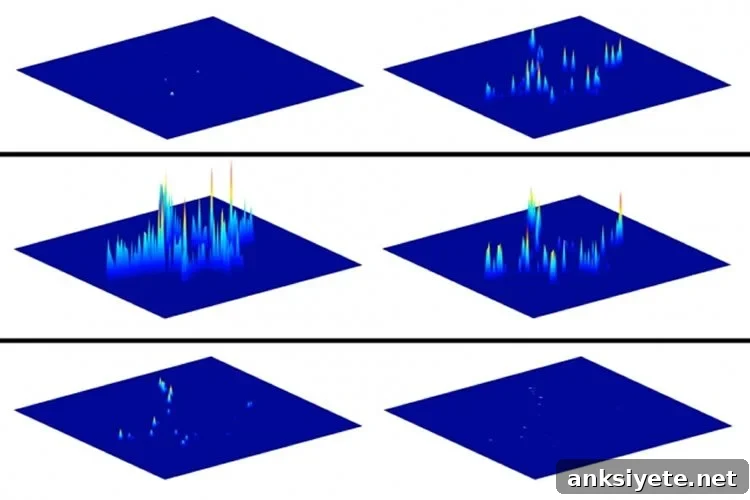
Summary: New nanosensors that detect dopamine release from single cells could give researchers clearer insight into how dopamine shapes brain activity. Source: MIT. New technology may help neuroscientists map how dopamine influences brain circuits Researchers at MIT have created an extremely sensitive detector capable of tracking dopamine secretion from individual neurons. Dopamine is a key … Read more

Why Rewards Outweigh Risks in the Adolescent Brain

featured 21367

Why does the promise of a reward—any kind of excitement—lead teenagers to toss caution aside? Many current theories argue that teenagers take more risks because they seek the pleasurable surge of dopamine, the neurotransmitter linked to the brain’s reward and pleasure circuits. However, much of that idea stems from studies of adult brains. New research … Read more

Huntington’s Mutation Can Affect Children’s Brain Development

featured 70424

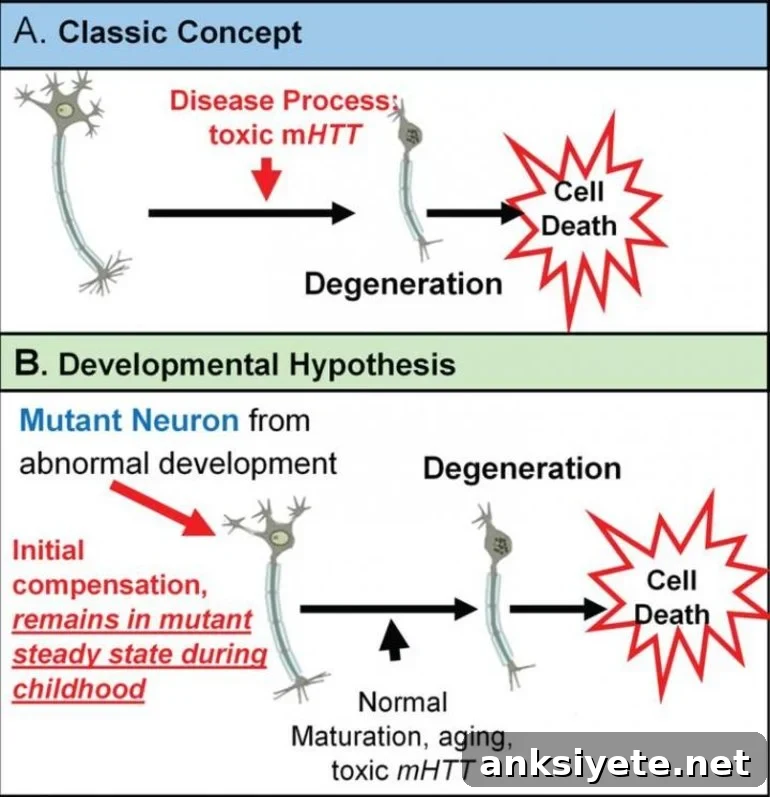
Summary: New research strengthens the view that Huntington’s disease (HD) has roots in neurodevelopment. Scientists report that the HTT gene mutation alters brain and body growth during childhood and that increased vulnerability of neurons begins long before clinical symptoms appear. Source: IOS Press Evidence supporting a neurodevelopmental contribution to Huntington’s disease is growing: the HTT … Read more