Neural Chip Enables Adaptive DBS to Treat Depression
featured 119579

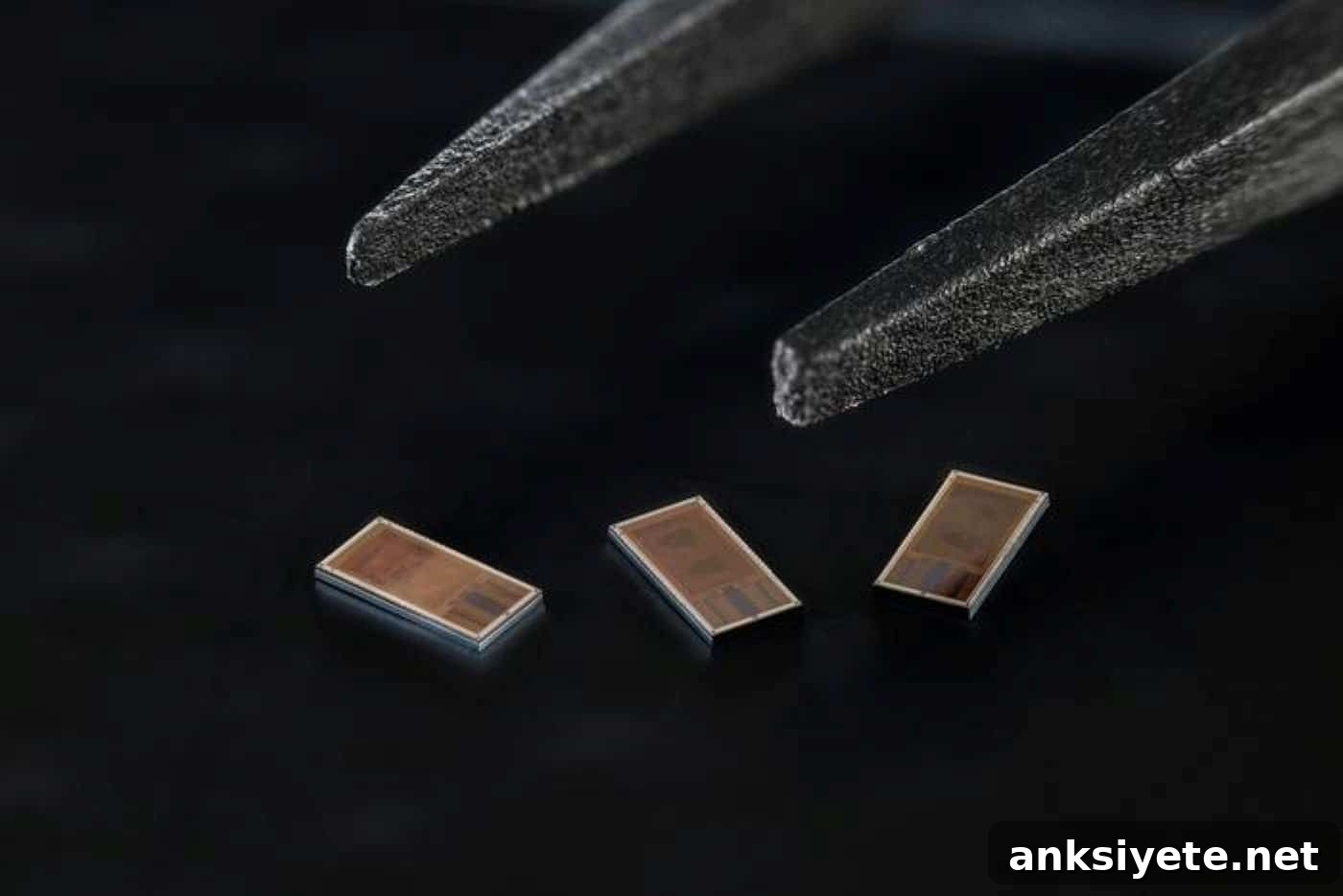
Summary: Researchers at EPFL’s Integrated Neurotechnologies Laboratory have created LogSync, an ultra-low-power, implantable system-on-chip (SoC) designed to advance deep brain stimulation (DBS) for severe psychiatric disorders such as treatment-resistant depression, PTSD, and other mood and anxiety conditions. Unlike conventional open-loop stimulators or single-site implants, LogSync continuously monitors oscillatory synchrony across distributed brain networks and runs … Read more
New Study Reveals Genetic Blueprint for Personality Traits

featured 119574

Summary: A large-scale meta-analysis combining data from up to 1.14 million people across 46 research groups presents the most detailed picture to date of the genetic architecture of human personality. Published in Nature, the study maps 1,260 genetic variants associated with the Big Five personality traits—extraversion, agreeableness, conscientiousness, neuroticism and openness—including 824 loci not previously … Read more

How Ultra-Processed Foods Rewire Kids’ Brain Reward Circuits

featured 119570

Summary: A longitudinal neuroimaging study from the Keck School of Medicine of USC finds that children who consume larger proportions of ultra-processed foods (UPFs) show increased neural activation in the dorsal striatum when exposed to appetizing food cues. Published in JAMA Network Open, the study links this heightened reward responsivity to measurable increases in body … Read more

How the Brain Maps Numbers Across the Cortex

featured 119566

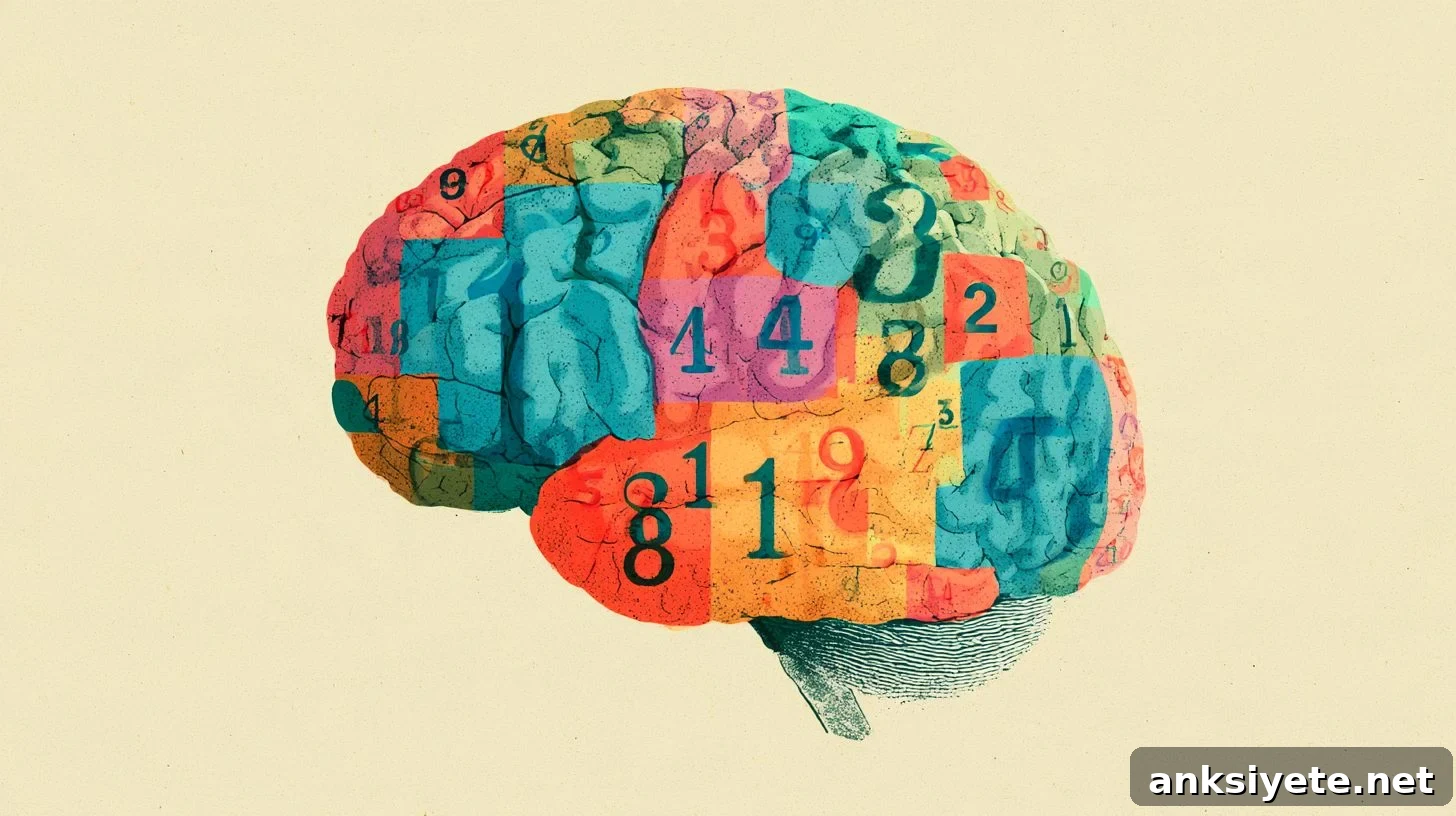
Summary: A neuroimaging investigation led by cognitive neuroscientists at the INSERM-CEA Cognitive Neuroimaging Unit (Unicog) shows that the human brain constructs a continuous, highly organized spatial semantic map in the intraparietal sulcus to represent numerical magnitudes. High-resolution functional MRI (fMRI) scans comparing whole numbers and fractions in adults reveal that, although fractions require additional computation … Read more

Breakthrough Non-Drug Therapy for Postpartum Depression

featured 119562

Summary: A nationwide clinical trial led by researchers at the University of Colorado Boulder and Massachusetts General Hospital found that a free, online mindfulness program substantially reduces the risk of postpartum depression recurrence. The eight-session digital intervention, Mindful Mood Balance for Moms (MMB for Moms), cut the rate of depressive relapse by about 26% through … Read more

New Cancer Drug Halts Fragile Brain Bleeds

featured 119558

Summary: Researchers have found that dabrafenib, an FDA- and EMA-approved BRAF inhibitor already used to treat certain pediatric brain tumors, dramatically reduces both the size and number of vascular malformations associated with Cerebral Cavernous Malformation (CCM). Screening more than 5,000 bioactive compounds, the team identified dabrafenib as a drug that suppresses vessel leakage, restores normal … Read more

How Astrocyte Subtypes Shape Synapse Formation and Memory

featured 119553

Summary: A major study from Baylor College of Medicine, published in Nature, shows that astrocytes—the abundant glial support cells in the central nervous system—are not a single, uniform population. Using newly developed transgenic tools to distinguish astrocytes by the surface receptor CD51, researchers found that CD51-positive (CD51+) astrocytes perform specialized roles: they promote synapse formation … Read more

New Treatments to Restore Brain Development in Angelman Syndrome

featured 119549

Summary: Researchers at Washington University School of Medicine in St. Louis have unraveled a key molecular mechanism behind Angelman syndrome, a rare neurodevelopmental disorder caused by loss of the maternal UBE3A gene. Published in Nature, the study shows that loss of UBE3A allows the metabolic enzyme asparagine synthetase (ASNS) to accumulate. That buildup falsely signals … Read more

How Conversational AI Is Breaking the Neuroimaging Bottleneck

featured 119545

Summary: A multi-institutional team led by Lehigh University has been awarded a four-year, $2.8 million grant from the National Institute of Biomedical Imaging and Bioengineering (NIBIB) to build UniBrain, an integrated artificial intelligence platform that consolidates fragmented neuroimaging workflows. UniBrain combines preprocessing, segmentation, multi-modal integration, and disease prediction into a single deep learning architecture, paired … Read more

Why AI Cannot Replace Human Creativity

featured 119540

Summary: As generative artificial intelligence rapidly synthesizes paintings, music, and literature, a new theoretical framework published in AI & Society reframes what human creative cognition truly means. The paper presents the “decoupling thesis,” arguing that while AI can bypass years of technical training to produce accomplished works, it separates the act of creating from the … Read more